
The 4Cs are the global standard for evaluating diamond quality, originally developed by the Gemological Institute of America (GIA) to provide a consistent way to compare diamonds. When shopping for lab-grown diamonds or natural diamonds for an engagement ring, or sustainable diamond jewelry, understanding the 4Cs helps you identify the true beauty and value of each gem. These four factors are cut, color, clarity, and carat , which directly influences how a lab-grown diamond sparkles, performs, and appears. By learning the 4Cs, you can confidently choose high-quality lab-created diamonds that fits your style, budget, and long-term expectations.
What Are the 4Cs of Diamonds?
The 4Cs are the global standard used to evaluate diamond quality. The Gemological Institute of America (GIA) created the 4Cs to provide a simple way to compare diamonds. Whether you’re interested in lab-grown diamonds or natural diamonds, knowing the 4Cs ensures you both the beauty and value you’re investing for. These four factors determine how a diamond looks, performs. Understanding each factor will help you find the best lab-created diamond for your style and budget.
The 4Cs include:
- Cut
- Color
- Clarity
- Carat
1. Cut: The Most Important C of All
Why Cut Matters
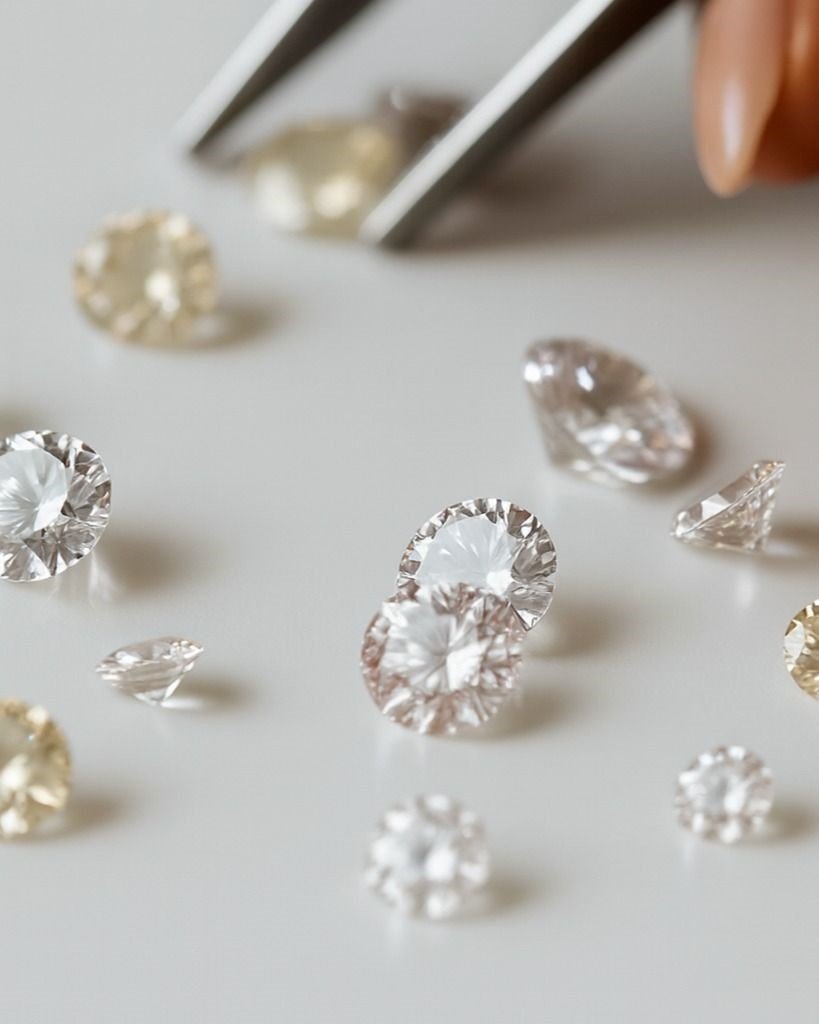
When buying a lab-grown diamond, the cut is the factor that affects sparkle the most. A perfectly cut diamond beautifully, creating the “fire” and brightness people love. A well-cut diamond reflects light creating maximum brilliance, fire, and sparkle.
buyers love. Every shape reflects light differently, but the cut quality within that shape is what has the greatest visual difference.
Types of Diamond Cut Grades
- Excellent / Ideal
- Very Good
- Good
- Fair
- Poor
Best Cut for Lab-Grown Diamonds
It is best to choose Ideal or Excellent cut when possible. Because lab-grown diamonds cost less than mined or natural diamonds, you can usually choose a higher cut grade without increasing your budget.
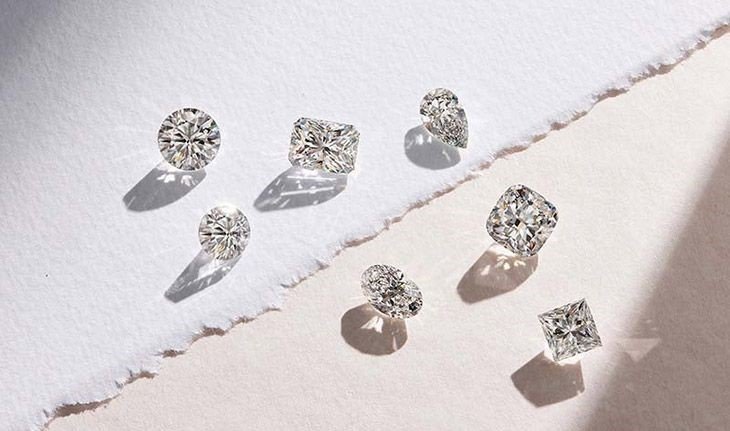
Popular Lab-Grown Diamond Shapes
- Round Brilliant
- Oval
- Cushion
- Pear
- Emerald
- Princess
- Radiant

2. Color: How White or Warm Your Diamond Looks
Understanding Diamond Color Grades
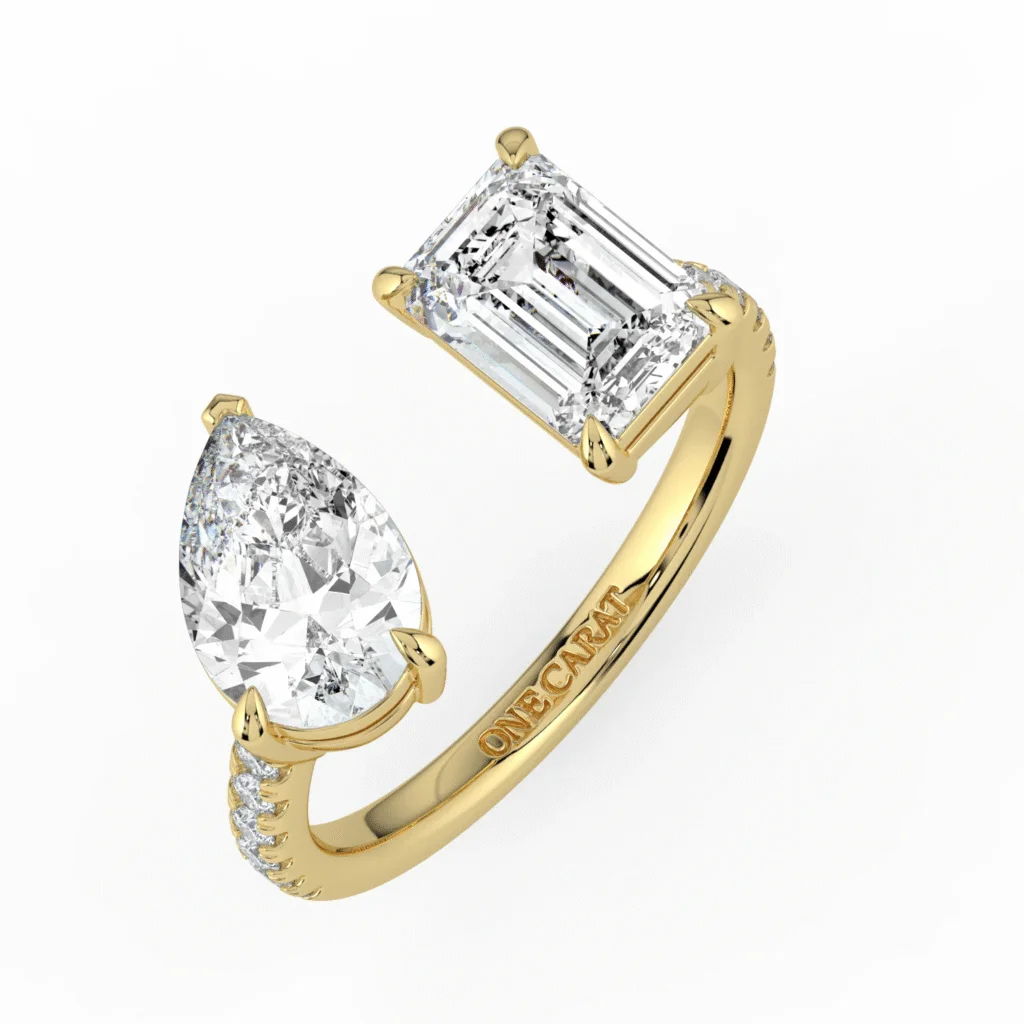
Diamond color is graded from D (colorless) to Z (light yellow or brown).
D–F: Colorless (premium, icy white)
G–H: Near-colorless (best value, appears white)
I–J: Slight warmth (looks great in yellow or rose gold)
Why Lab-Grown Diamonds Often Look Whiter
One of the biggest advantages of lab-grown diamonds is that they typically come in whiter, higher color grades. Advanced technology permits labs to grow diamonds with subtle tint, making D–H lab diamonds more budget-friendly than their natural counterparts and provide balance between beauty and budget.
Best Color for Lab-Grown Diamond Rings
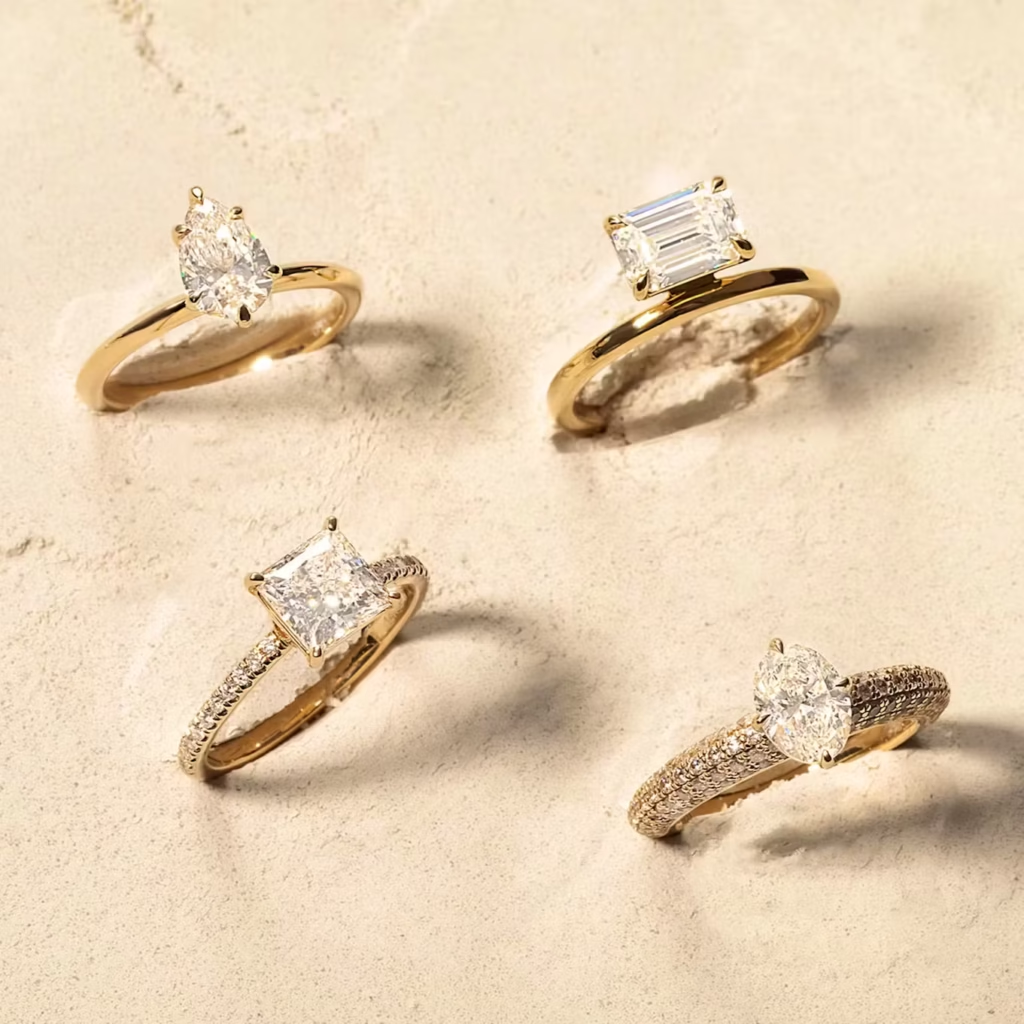
● White gold / platinum: D–H
● Yellow or rose gold: H–J
3. Clarity: How Clean Is Your Diamond
What Is Diamond Clarity?
Clarity refers to the natural markings inside a diamond, also called inclusions.The fewer the inclusions, the more transparent the diamond. Diamonds created in a lab usually possess fewer inclusions, offering a greater clarity for your budget.
Clarity Grades
● FL / IF: Flawless or Internally Flawless
● VVS1 / VVS2: Very Very Slight Inclusions
● VS1 / VS2: Very Slight Inclusions
● SI1 / SI2: Slight Inclusions
● I1 / I2 / I3: Included
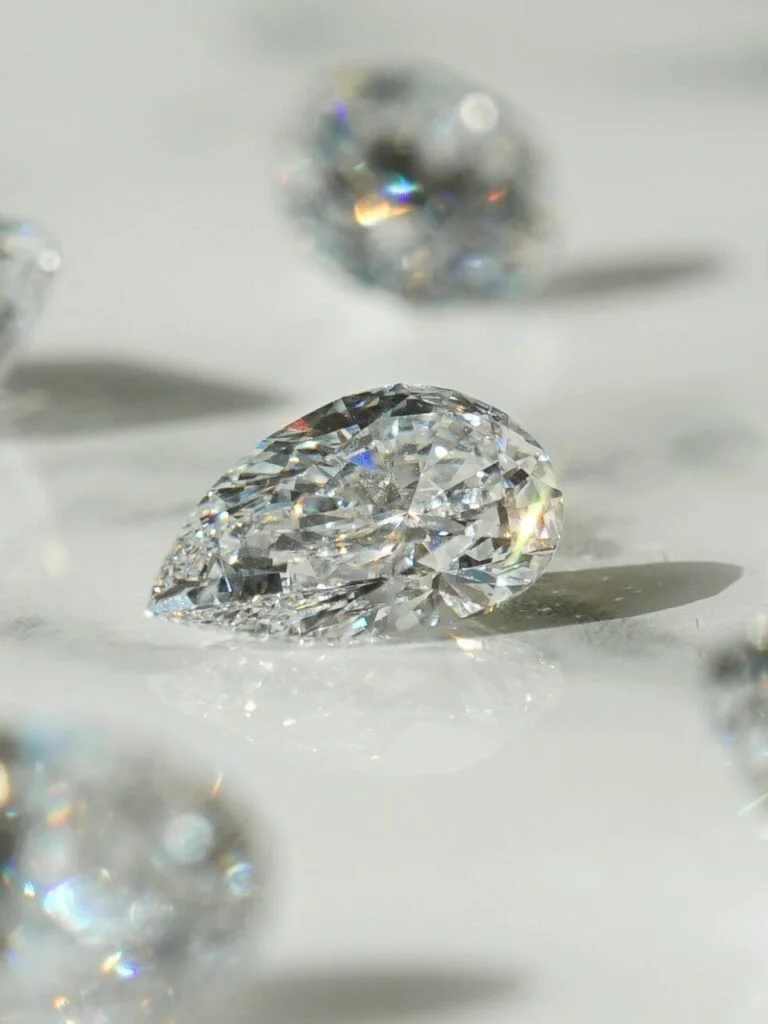
Lab-Grown Diamond Clarity Advantage
Lab-grown diamonds often have fewer inclusions and more predictable clarity. Many buyers find that VS1, VS2, or VVS lab diamonds offer the perfect combination of beauty and worth.
Which Clarity Should You Choose?
● Best overall: VS1 or VS2 (clean to the naked eye)
● Luxury option: VVS1 or VVS2
● Budget-friendly: SI1 with good cut and shape
Choosing the Right Clarity
Most inclusions are too small to see with a naked eye or without magnification. For maximum beauty and value:
● VS1–SI1 is considered eye-clean and ideal for engagement rings.
4. Carat: The Size and Universal Weight Measurements of Your Lab-Grown Diamond
What Carat Really Means
Carat refers to a diamond’s universal weight measurements, not just its size. But heavier diamonds typically appear larger,especially in certain shapes.
Why Lab-Grown Diamonds Offer Bigger Sizes
One of the biggest benefits of lab-grown diamonds is that you can afford a larger carat weight compared to natural diamonds at the same price. This is one reason engagement ring buyers love lab-grown options.
Shapes That Look Larger Per Carat
- Oval
- Pear
- Emerald
- Marquise
These forms exhibit a larger “face-up” appearance causing them to appear much larger than round diamonds of the same carat weight.
Diamond Carat: Understanding Weight vs. Size
Carat Explained
Carat measures the weight, not size, of a diamond. Two diamonds with the same carat can look different depending on their cut.
Popular Carat Choices
- 1.00 carat
- 1.50 carat
- 2.00 carat ( popular with lab-grown diamond buyers)
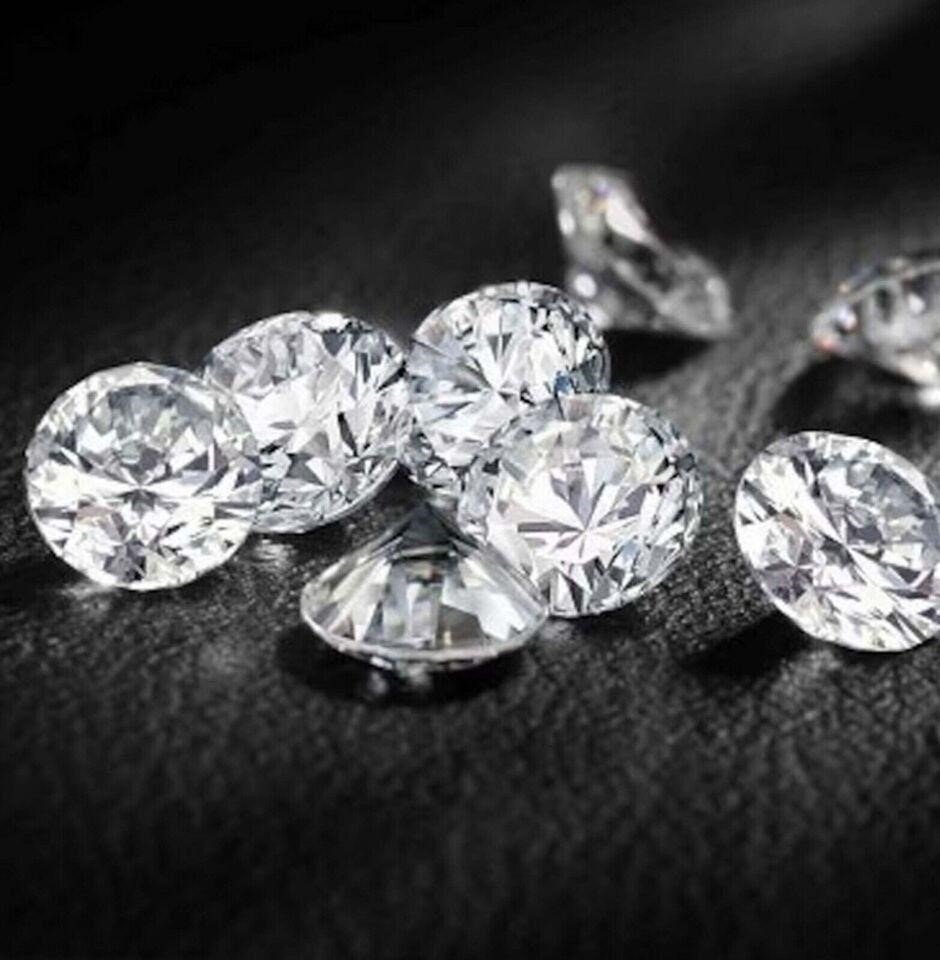
Why Lab-Grown Helps
Lab-grown diamonds cost 40–80% less than natural ones, letting you size up without overspending.
Same Beauty, Different Origins
Lab-grown diamonds:
● Have the same chemical and physical structure as natural diamonds
● Are they evaluated according to the 4Cs standards
● Offer more size and quality for the price
● Are ethically made and environmentally-friendly
Natural diamonds
● Are rare and formed over billions of years
● Hold value better over time
● Because of their scarcity and high mining costs, natural diamonds are more expensive than lab-grown diamonds. Natural diamonds usually keep between 30-80 % of their value and cost 3-5 times more.
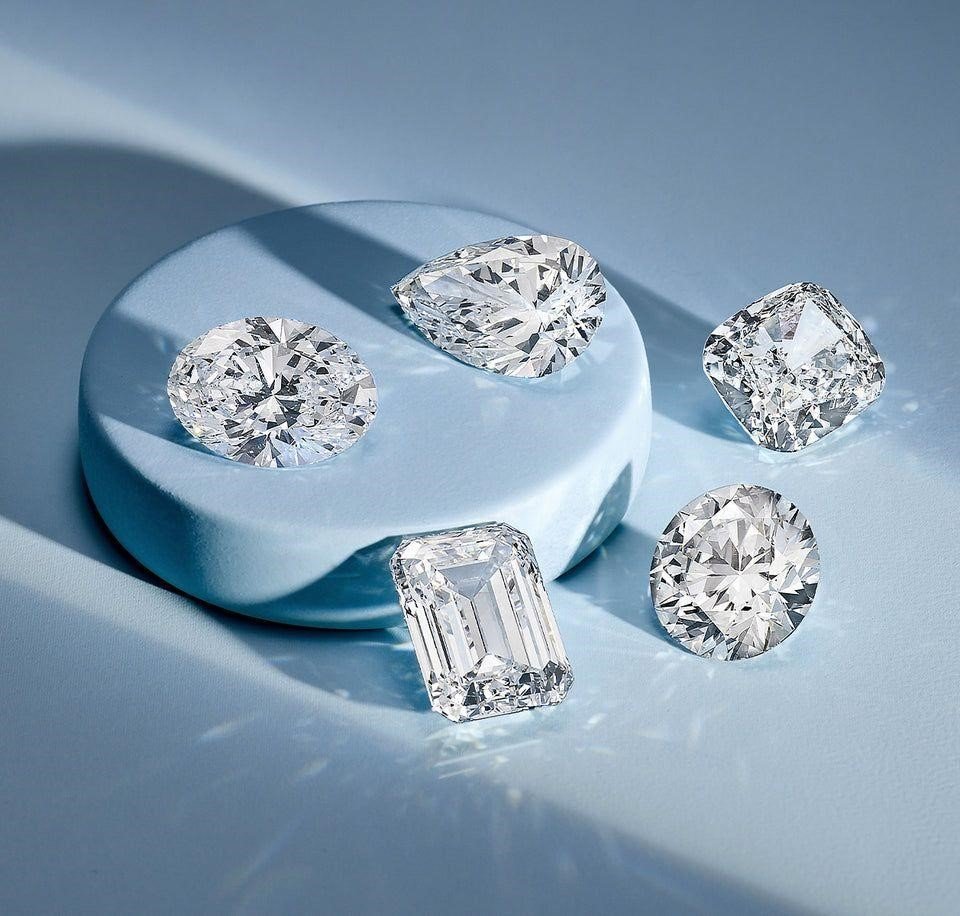
Both are real diamonds, but lab-grown options give buyers more flexibility when choosing cut, color, clarity, and carat.
How to Choose the Best Lab-Grown Diamond (Simple Checklist)
Follow this smart priority order:
1. Cut → 2. Color → 3. Clarity → 4. Carat
Prioritize Your Order:
- Cut — always choose Excellent/Ideal
- Color — aim for D–H
- Clarity — VS1 or VS2 for the best value
- Carat — choose the weight based on your style, your preference and your budget
Bonus Tips
● Check for GIA or IGI certification when buying the jewelry at your trusted jeweler
● Compare sparkle across shapes
● Choose a metal color that enhances your diamond’s color grade
Why Lab-Grown Diamonds Make the 4Cs Easier
The physical and chemical characteristics of lab-grown diamonds are identical to those of natural stones. They follow the same 4C grading, yet offer several benefits such as:
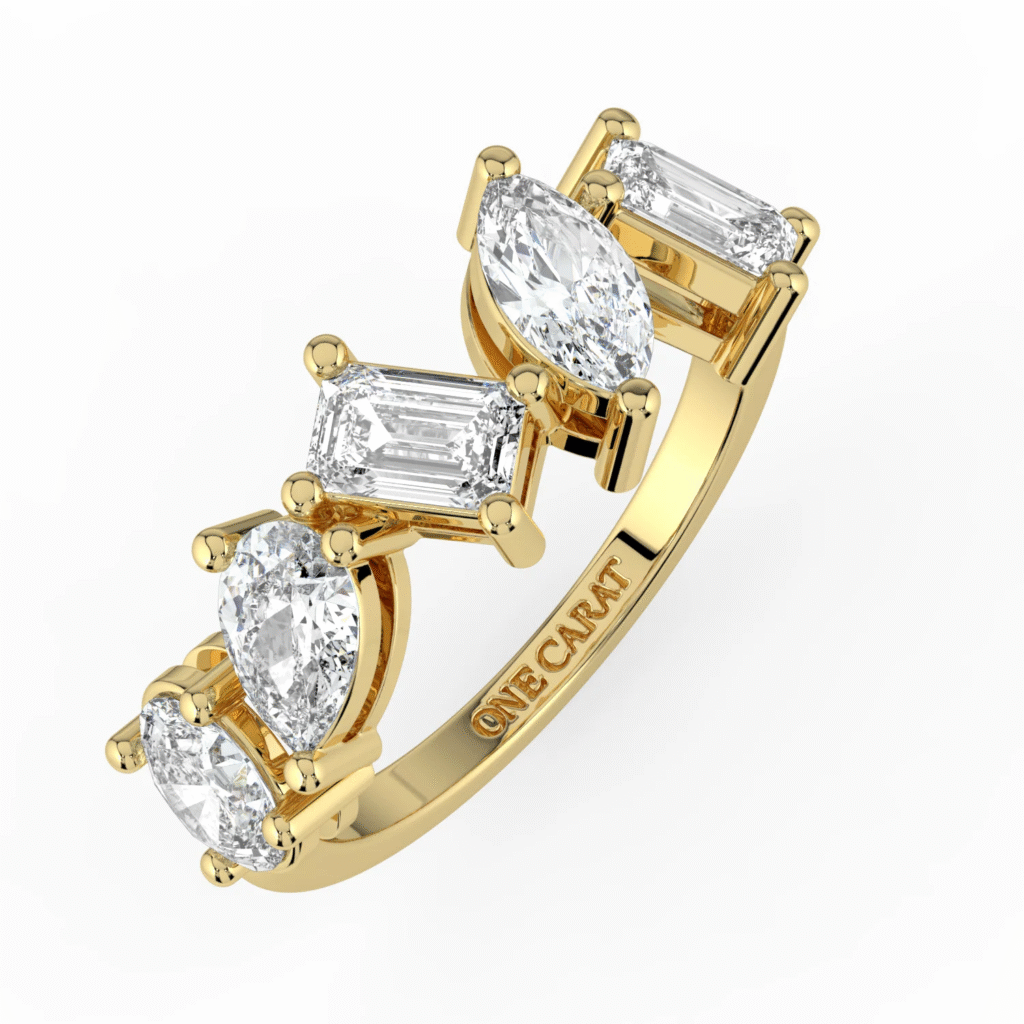
● Bigger diamonds for the same budget
● Higher standard color and clarity
● Ethically sourced
● Environmentally and budget friendly
● Highly transparent grading
Understanding the 4Cs characteristics of diamonds,Cut, Color, Clarity & Carat, makes diamond shopping easier, enjoyable, and easy on the wallet. Whether you’re choosing a natural diamond or a lab-grown diamond, this simple guide breaks down the 4Cs ,so you can find a stone that delivers the perfect balance of sparkle, size, shape, and value just for you.